Blog

  • Healthy Lifestyle Tips for Desk Job Workers Who Sit All Day

    Healthy Lifestyle Tips for Desk Job Workers Who Sit All Day

    For many Americans, the workday no longer feels physically demanding, but sitting through eight hours of emails, meetings, and screen time can still drain the body in quiet ways. I have noticed that small choices, like how I sit, when I move, what I drink, and how often I rest my eyes, can shape my energy more than one intense workout after work. 

    That is why healthy lifestyle tips for desk job workers should focus on simple habits that fit naturally into a real office or remote-work routine.

    Why Desk Jobs Can Affect Your Health

    A desk job can quietly become unhealthy when you sit for hours without movement, lean toward your screen, skip water, rush meals, and carry stress from one meeting to the next. Long sedentary hours may contribute to poor circulation, tight hips, weak core muscles, neck strain, lower back pain, fatigue, and reduced daily activity. 

    That is why simple health tips for office workers can make a meaningful difference when practiced consistently instead of occasionally.

    The goal is not to fear sitting. The goal is to break up sitting and build healthier patterns into your day. When I treat wellness as part of my work routine instead of a separate task, it becomes much easier to stay consistent.

    How to Set Up Your Desk for Better Posture

    How to Set Up Your Desk for Better Posture

    Your workstation should support your body instead of forcing it into awkward positions. Start by placing the top third of your monitor at eye level so you do not keep bending your neck downward. Your screen should sit far enough away that you can view it comfortably without leaning forward.

    Adjust your chair so your shoulders stay relaxed and your elbows, hips, and knees rest close to a 90-degree angle. Keep both feet flat on the floor, or use a footrest if your feet do not reach comfortably. If you work from a laptop, use an external keyboard and mouse whenever possible. This simple change can reduce slouching and shoulder strain.

    Avoid cradling your phone between your ear and shoulder during calls. A headset or earbuds can protect your neck, especially if you take frequent calls during the day.

    How Often Should Desk Workers Move?

    Desk workers should move every 30 to 60 minutes, even if the break lasts only two or three minutes. Short movement breaks improve circulation, reduce stiffness, and help reset your focus.

    I like to stand after finishing a task, stretch before a meeting, walk while taking phone calls, or refill my water bottle when I feel sluggish. If you work in an office, take the stairs instead of the elevator when possible. If you commute, park farther away or get off public transit one stop early to add more steps before work.

    Walking meetings can also help, especially for one-on-one conversations or phone calls that do not require screen sharing. These simple habits make healthy lifestyle tips for desk job workers easier to follow in real life.

    Best Desk Exercises for Office Workers

    You do not need a full workout during office hours to stay active. Small exercises can help loosen tight muscles and wake up your body. Wall push-ups, seated spinal twists, shoulder rolls, calf raises, bodyweight squats, and gentle hip stretches all work well during short breaks.

    If you feel uncomfortable exercising in a shared office, keep it simple. Stand up, walk to the restroom, stretch your wrists, roll your shoulders, or take a short lap around the building. The best movement habit is the one you will actually repeat.

    How to Prevent Eye Strain From Screen Time

    How to Prevent Eye Strain From Screen Time

    Desk workers often deal with digital eye strain because they stare at screens for long periods and blink less than usual. To protect your eyes, follow the 20-20-20 rule. Every 20 minutes, look at something 20 feet away for at least 20 seconds.

    You can also reduce screen fatigue by adjusting brightness, increasing text size, reducing glare, and avoiding a bright screen in a dark room. I also find it helpful to take screen-free breaks between meetings instead of immediately checking my phone.

    What Should Desk Job Workers Eat During Work Hours?

    A healthy workday becomes much easier when you plan meals before hunger takes over. Packing lunch from home gives you better control over calories, sodium, portions, and ingredients. This matters because many office meals and takeout options in the US can be high in salt, added sugar, and saturated fat.

    Aim for meals that include protein, fiber-rich carbohydrates, healthy fats, and vegetables. Good desk-friendly options include grilled chicken wraps, salads with beans or eggs, Greek yogurt, oatmeal, fruit, nuts, and leftovers from dinner.

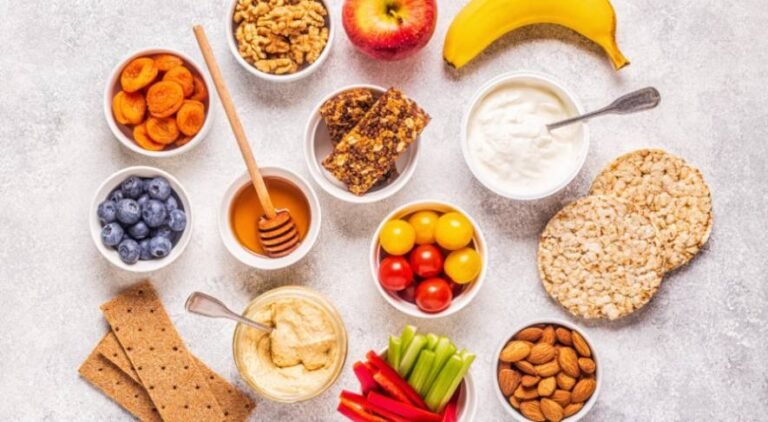
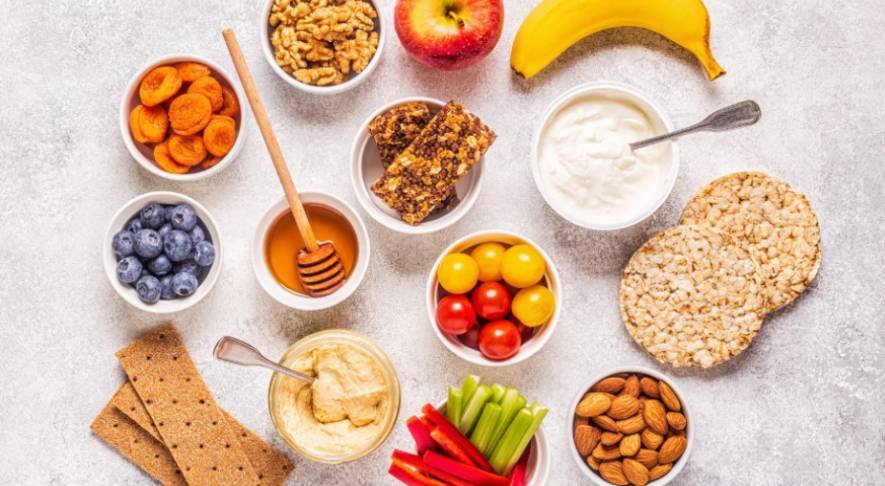
    Smart snacks also help you avoid vending machines and mindless grazing. Keep whole fruit, unsalted nuts, plain yogurt, or cut vegetables nearby. Try not to snack continuously while reading emails because it becomes easy to ignore portion sizes.

    Following Healthy Snack Ideas With Protein and Fiber That Fill can make these choices even more satisfying. Pair foods such as apple slices with peanut butter, Greek yogurt with berries, hummus with vegetables, cottage cheese with fruit, or a handful of nuts with fresh fruit to stay fuller for longer, support steady energy levels, and reduce the temptation to overeat between meals.

    How Much Water Should Desk Workers Drink?

    Hydration supports energy, digestion, focus, and joint comfort. Many adults need roughly 2.7 to 3.7 liters of total water daily from drinks and food, though individual needs vary based on body size, activity level, climate, and health conditions.

    I keep a refillable bottle on my desk because visual reminders work. You can also drink water before coffee, with lunch, and during afternoon breaks. Limit sugary sodas, energy drinks, and excess specialty coffees because liquid calories can add up quickly without making you feel full. Water, sparkling water, or unsweetened herbal tea are better everyday choices.

    How to Manage Stress During a Desk Job

    How to Manage Stress During a Desk Job

    A healthy desk job routine should include mental wellbeing, not just posture and movement. Start by setting clear work hours when possible. Defined start and end times help reduce burnout, especially for remote and hybrid workers who may struggle to separate work from home life.

    Use focus modes or silent notifications during deep-work blocks. Give yourself five to ten minutes between meetings when your schedule allows it. Use that time to breathe, stretch, look away from screens, or step outside.

    Fresh air and natural sunlight during lunch can also help reduce stress and improve your mood. Even a short outdoor break can make the second half of the workday feel lighter.

    Simple Daily Routine for Desk Job Wellness

    A realistic routine works better than an extreme one. Start your morning by adjusting your chair, screen, keyboard, and water bottle. During work, move every 30 to 60 minutes and use the 20-20-20 rule for eye comfort. At lunch, step away from your desk, eat a balanced meal, and get a few minutes of fresh air.

    In the afternoon, choose water over sugary drinks, stretch tight areas, and silence distractions during important tasks. After work, take a walk or do light stretching to help your body recover from sitting.

    These healthy lifestyle tips for desk job workers are simple, but they work best when you practice them daily.

    Frequently Asked Questions (FAQs)

    1. What are the best health tips for desk workers?

    The best health tips for desk workers include moving every 30 to 60 minutes, setting up an ergonomic workstation, drinking enough water, eating balanced meals, taking eye breaks, and managing stress.

    2. How can I stay active if I sit at a desk all day?

    You can stay active by walking during calls, taking the stairs, stretching between meetings, doing short desk exercises, parking farther away, and standing for a few minutes every hour.

    3. How do desk workers avoid back and neck pain?

    Desk workers can reduce back and neck pain by keeping the monitor at eye level, using a supportive chair, keeping feet flat, using external laptop accessories, avoiding phone cradling, and changing positions often.

    4. What should I eat at a desk job?

    Eat balanced meals with protein, fiber, healthy fats, and vegetables. Pack lunch when possible and keep smart snacks like fruit, nuts, yogurt, or vegetables nearby.

    Conclusion

    A desk job can challenge your health, but it does not have to control it. When I build small habits into my workday, I feel more focused, less stiff, and more energized.

    Start with better posture, regular movement, smart meals, hydration, eye breaks, and firm work boundaries. Over time, these small changes can protect your long-term wellbeing and make every workday feel healthier.

  • Simple Wellness Habits That Support Long-Term Health and Everyday Balance

    Simple Wellness Habits That Support Long-Term Health and Everyday Balance

    Health advice can sometimes feel overwhelming. One day, there is a new morning routine everyone follows, and the next day, there is another trend promising better energy, focus, or productivity. But the habits that usually create meaningful changes are rarely complicated. They are often small choices repeated consistently until they become part of everyday life.

    The most effective wellness habits that support long-term health are not about creating a perfect lifestyle. They are about building routines that fit naturally into busy schedules. Simple adjustments in movement, nutrition, sleep, and mental wellness can gradually improve how the body feels and functions over time.

    Why Small Wellness Choices Often Create Bigger Results

    Why Small Wellness Choices Often Create Bigger Results

    Major lifestyle changes can feel exciting at first, but they are often difficult to maintain. Small actions work differently because they require less effort and become easier to repeat. Drinking more water, moving regularly, improving sleep patterns, and taking short mental breaks may seem basic, but these behaviors support overall wellness when practiced consistently.

    Long-term health depends on daily patterns. A single nutritious meal or workout will not transform wellness overnight, just like one imperfect day will not erase progress. The goal is creating a flexible lifestyle where healthy decisions become normal instead of feeling like another task.

    Many experts in behavior change highlight the importance of connecting new habits to existing routines. Adding a small wellness action to something already familiar, such as stretching after waking up or taking a short walk after dinner, makes the habit easier to remember and maintain.

    Start Your Day With Habits That Support Your Body

    Morning routines influence energy, focus, and daily decision-making. A productive morning does not need to include a long list of activities. A few simple choices can help prepare the body and mind for the day ahead.

    Hydration is one of the easiest places to start. After several hours of sleep, drinking water in the morning helps restore hydration levels and supports normal body functions. Keeping a glass or bottle of water nearby makes this habit easier to repeat.

    Nutrition also plays an important role in steady energy. A balanced breakfast with enough protein, fiber, and nutrient-rich foods can support fullness and help maintain consistent energy throughout the day. Instead of following restrictive eating patterns, focusing on balanced nutrition creates a healthier relationship with food.

    Natural light exposure is another simple habit that supports wellness. Spending a few minutes outside in the morning or sitting near natural light helps regulate the body’s circadian rhythm, which influences sleep patterns and daily alertness.

    Make Movement a Natural Part of Everyday Life

    Make Movement a Natural Part of Everyday Life

    Physical activity does not always require intense workouts or long gym sessions. Regular movement throughout the day can support cardiovascular health, mobility, and overall strength.

    Simple actions like walking during a lunch break, stretching between work sessions, taking the stairs, or parking slightly farther away add more movement without disrupting the day. These small choices reduce long periods of sitting and help make activity a normal part of life.

    Strength, flexibility, and balance also become more important with time. Small practices, such as balance exercises or bodyweight movements, can support joint stability, coordination, and healthy aging.

    The most sustainable fitness routine is usually the one people can repeat. Choosing enjoyable activities like walking, cycling, dancing, gardening, or recreational sports makes movement feel less like a requirement and more like a regular lifestyle habit.

    Build Nutrition Habits That Feel Realistic

    Healthy eating is often presented as a strict set of rules, but lasting nutrition habits are usually built around balance. Food choices should support health while still fitting personal preferences and everyday routines.

    Adding more whole foods, fruits, vegetables, lean proteins, and fiber-rich options can improve overall nutrition quality. These choices provide important nutrients that support digestion, energy, and long-term wellness.

    A realistic approach also allows flexibility. Enjoying favorite foods while maintaining balanced eating patterns helps prevent the all-or-nothing mindset that causes many routines to fail.

    Creating a supportive environment can make better choices easier. Keeping nutritious options available, planning simple meals, and building healthy habits that are easy to maintain allows wellness to become part of everyday life without constant effort.

    Frequently Asked Questions: Simple Wellness Habits That Support Long-Term Health and Everyday Balance

    1. What are the best wellness habits that support long-term health?

    The best wellness habits that support long-term health include regular movement, balanced nutrition, quality sleep, hydration, stress management, and meaningful social connections. Simple habits followed consistently usually create better results than extreme lifestyle changes.

    2. How long does it take to build a healthy habit?

    The time needed to build a habit varies depending on the person and the behavior. Repeating small actions regularly and connecting them with existing routines can make new habits easier to maintain.

    3. Can small daily habits really improve overall wellness?

    Yes, small daily habits can support long-term wellness because they create consistent patterns. Activities like walking, drinking enough water, sleeping well, and managing stress can gradually improve physical and mental well-being.

    4. Why is consistency important for better health?

    Consistency helps turn positive actions into automatic routines. When healthy behaviors become part of everyday life, they require less motivation and become easier to continue over time.

    Why Everyday Wellness Choices Shape the Future

    Long-term wellness is not created through perfect routines or dramatic changes. It grows from simple decisions repeated during ordinary moments. A short walk, a balanced meal, a good night’s sleep, or a few minutes of quiet reflection may seem small today, but these habits can support better energy, mobility, and emotional balance for years.

    The healthiest lifestyle is usually the one that feels realistic enough to continue. Small steps practiced regularly often become the foundation for lasting well-being.

  • The Best Practical Wellness Ideas for Busy Adults to Reduce Everyday Stress

    The Best Practical Wellness Ideas for Busy Adults to Reduce Everyday Stress

    Most people don’t struggle with knowing they should take better care of themselves. The real challenge is finding wellness habits that fit into a schedule already filled with work deadlines, family responsibilities, errands, and endless notifications. When every hour feels spoken for, self-care often becomes the first thing to disappear.

    That’s why the best wellness habits aren’t the ones that require a complete lifestyle overhaul. They’re the small actions you can repeat without disrupting your day. The most effective practical wellness ideas for busy adults focus on consistency over perfection, helping you feel calmer, healthier, and more energized without adding unnecessary pressure.

    Why Small Wellness Habits Make the Biggest Difference?

    Why Small Wellness Habits Make the Biggest Difference?

    It’s easy to believe you need an hour-long workout, a perfectly balanced meal plan, or a weekend retreat to reduce stress. In reality, small daily habits often create lasting results because they’re easier to maintain.

    Stress builds gradually, and managing it works the same way. Short breaks, healthier routines, and intentional moments of rest can improve emotional well-being, energy levels, and work-life balance without requiring major changes to your schedule.

    Start Your Day With a One-Minute Reset

    The first few minutes of the morning often shape the rest of the day. Instead of reaching for your phone immediately, spend one minute helping your mind settle.

    One technique that continues to gain attention is the 4-7-8 breathing method. Inhale through your nose for four seconds, hold your breath for seven seconds, then slowly exhale for eight seconds. This breathing pattern encourages your nervous system to slow down, making it a practical way to ease into a busy morning or reset after a stressful meeting.

    Another simple option is a quick gratitude practice. Writing down three things you’re thankful for can shift your focus away from stress and toward what is already going well.

    Build Movement Into Your Routine

    Exercise doesn’t have to mean spending an hour at the gym. Short bursts of movement throughout the day can improve circulation, boost energy, and lower stress.

    A brisk 10-minute walk during lunch, taking the stairs instead of the elevator, or stretching between meetings are all examples of movement that fit naturally into a busy lifestyle. Spending a few minutes outside also provides natural light, which helps support your body’s internal clock and encourages healthier sleep patterns.

    These simple activities are often easier to maintain than ambitious fitness plans that quickly become overwhelming.

    Give Your Mind Short Recovery Breaks

    Give Your Mind Short Recovery Breaks

    Busy adults often move from one task to another without giving their brains time to recover. Even sixty seconds of intentional relaxation can make a noticeable difference.

    Progressive muscle relaxation is one practical technique. Tighten one muscle group for a few seconds before releasing it completely, then move to another area of your body. This exercise helps reduce physical tension that often builds during stressful workdays.

    You can also close your eyes and picture a peaceful location for a minute. Whether it’s a favorite beach, hiking trail, or quiet backyard, this brief visualization creates a mental pause before returning to your responsibilities.

    Make Technology Work for You

    Technology keeps us connected, but constant notifications also make it difficult to fully relax.

    Creating small digital boundaries can help reduce everyday stress. Consider silencing non-essential notifications during focused work, avoiding email before bedtime, or setting aside short periods each evening without your phone.

    These habits improve concentration during the day while giving your mind an opportunity to unwind before sleep.

    Simplify Healthy Eating

    Simplify Healthy Eating

    Busy schedules often lead to skipped meals or grabbing whatever is convenient. Preparing every meal from scratch isn’t realistic for everyone, but healthier choices don’t have to be complicated.

    Keeping nutritious snacks nearby, drinking enough water throughout the day, and planning a few balanced meals each week can support steady energy levels. Foods that include lean protein, whole grains, vegetables, and healthy fats help prevent the energy crashes that make stressful days feel even harder.

    The goal isn’t eating perfectly—it’s making better choices consistently.

    Protect Your Time Without Feeling Guilty

    One of the most overlooked wellness habits is learning when to say no.

    Accepting every request, meeting, or commitment often leads to exhaustion instead of productivity. Setting healthy boundaries allows you to focus on priorities while creating space for rest, relationships, and personal interests.

    This approach isn’t about doing less. It’s about spending your time where it has the greatest value, both professionally and personally.

    Turn Healthy Habits Into Everyday Routines

    Turn Healthy Habits Into Everyday Routines

    The easiest way to make wellness stick is to connect new habits with routines you already have. Practice deep breathing while waiting for your coffee, stretch after brushing your teeth, or take a short walk after lunch.

    This habit stacking approach removes the pressure of finding extra time while making healthy choices feel automatic. Over time, these small actions become part of maintaining long-term wellness, supporting your physical and mental health without overwhelming your daily schedule.

    FAQs: The Best Practical Wellness Ideas for Busy Adults to Reduce Everyday Stress

    What is the easiest wellness habit to start with?
    Begin with one small habit, like deep breathing, a short walk, or drinking more water. Simple routines are easier to maintain than major lifestyle changes.

    How can busy adults reduce stress during work?
    Take brief movement breaks, practice mindful breathing, limit unnecessary notifications, and step outside for fresh air whenever possible.

    Do wellness habits need a lot of time?
    No. Many effective habits take only one to ten minutes and still improve energy, focus, and emotional well-being when practiced consistently.

    Why is consistency more important than perfection?
    Healthy routines become sustainable when they fit everyday life. Repeating small actions regularly usually produces better long-term results than occasional intensive efforts.

    The Habits You’ll Still Appreciate Months From Now

    The most effective wellness routines aren’t the ones that look impressive on social media. They’re the habits you can continue on busy Mondays, stressful afternoons, and weekends filled with responsibilities. Small choices like moving more, breathing intentionally, protecting your time, and taking short mental breaks may seem minor, but together they create meaningful improvements in how you feel every day.

    When wellness becomes part of your routine instead of another task on your list, reducing stress feels far more achievable.

  • Build Better Meals With Balanced Nutrition Habits That Work

    Build Better Meals With Balanced Nutrition Habits That Work

    Healthy eating has never been more confusing. One week, carbs are the problem. The next, it’s seed oils, sugar, or even fruit. With countless diets, wellness trends, and social media advice competing for attention, it’s easy to lose sight of what actually supports long-term health. The truth is, most people don’t need another restrictive meal plan—they need eating habits they can stick with.

    That’s where balanced nutrition habits make a real difference. Instead of focusing on cutting out entire food groups or chasing quick results, balanced nutrition encourages consistency, variety, and smarter everyday choices. Small improvements, repeated over time, often have a greater impact than dramatic changes that are impossible to maintain.

    What Balanced Nutrition Really Means?

    What Balanced Nutrition Really Means

    Balanced nutrition isn’t about eating perfectly at every meal. It’s about giving your body the nutrients it needs to function well while allowing flexibility for real life. A balanced diet includes lean protein, whole grains, fruits, vegetables, healthy fats, and enough water to support energy, digestion, and overall wellness.

    One practical way to build balanced meals is by following the 10-inch plate method. Fill half your plate with colorful fruits and vegetables, one-quarter with lean protein, and the remaining quarter with fiber-rich whole grains. This simple visual approach makes portioning easier without measuring every bite or counting calories.

    Build Your Plate Around Nutrient-Rich Foods

    Many nutrition experts recommend focusing on food quality before worrying about complicated meal plans. Fruits and vegetables should make up the largest portion of your meals because they provide vitamins, minerals, antioxidants, and dietary fiber that support immunity and gut health.

    For grains, choose whole-food options like brown rice, quinoa, oats, or whole-wheat pasta whenever possible. These foods digest more slowly than refined grains, helping maintain steady energy and better blood sugar balance throughout the day.

    Protein deserves equal attention. Rotating between poultry, fish, eggs, beans, lentils, nuts, and seeds provides variety while supporting muscle maintenance and satiety. Instead of relying on one protein source every day, mixing different options throughout the week creates a more balanced eating pattern.

    Small Ingredient Swaps Add Up

    Small Ingredient Swaps Add Up

    Healthy eating doesn’t always require completely changing your favorite meals. Sometimes the biggest improvements come from simple substitutions.

    Consider replacing butter with olive or avocado oil when cooking. Add herbs, garlic, lemon juice, or spices instead of relying on heavy sauces packed with sodium. Choose water, sparkling water, unsweetened tea, or black coffee over sugary drinks whenever possible.

    These adjustments don’t make meals feel restrictive. Instead, they gradually improve nutrient density while preserving the flavors you already enjoy.

    Plan Ahead Instead of Eating on Impulse

    One of the biggest obstacles to healthy eating isn’t motivation—it’s convenience. After a busy day, takeout often feels easier than cooking from scratch.

    Meal planning helps remove that decision-making pressure. Preparing proteins, chopping vegetables, or cooking whole grains over the weekend makes weekday meals much quicker to assemble. Even stocking your pantry with canned beans, frozen vegetables, oats, tuna, and whole-grain pasta creates healthier backup options when time is limited.

    Many people discover that everyday changes that improve wellbeing start long before they sit down for dinner. A little preparation often prevents last-minute food choices driven by stress or hunger.

    Read Nutrition Labels With Confidence

    Packaged foods don’t automatically belong on the “avoid” list. Many convenient options can fit into a balanced diet when you know what to look for.

    Start by checking serving sizes, then compare products for added sugars, sodium, and saturated fat. Foods higher in dietary fiber and protein often provide greater satisfaction while supporting healthier eating habits.

    Reading labels becomes easier with practice. Instead of trying to memorize every number, focus on comparing similar products and choosing the option with the better nutritional profile.

    Build Habits You Can Actually Maintain

    Build Habits You Can Actually Maintain

    The healthiest diet isn’t necessarily the strictest one. It’s the one you can follow consistently.

    Rather than overhauling everything overnight, try introducing one habit at a time.

    • Add one extra serving of vegetables each day.
    • Replace one sugary drink with water.
    • Include protein at breakfast.
    • Cook one additional meal at home each week.
    • Keep healthy snacks available to reduce impulse eating.

    Small, realistic goals create momentum. Once one habit feels automatic, adding another becomes much easier.

    Common Nutrition Mistakes to Avoid

    Many people unintentionally make healthy eating harder than necessary. Skipping meals often leads to overeating later, while depending on ultra-processed convenience foods can reduce nutrient intake over time. Drinking calories through sweetened beverages also adds up quickly without providing lasting fullness.

    Another common mistake is treating nutrition as an all-or-nothing challenge. One less nutritious meal doesn’t erase weeks of healthy choices. Progress comes from consistency, not perfection.

    FAQs: Build Better Meals With Balanced Nutrition Habits That Work

    What are balanced nutrition habits?
    Balanced nutrition habits are consistent eating practices that include a variety of nutrient-rich foods, proper portions, hydration, and realistic routines that support long-term health.

    How can I start eating more balanced meals?
    Begin with the 10-inch plate method by filling half your plate with fruits and vegetables, one-quarter with lean protein, and one-quarter with whole grains.

    Is meal prep necessary for healthy eating?
    Not always, but preparing ingredients or simple meals ahead of time makes healthier choices easier during busy weekdays and reduces reliance on takeout.

    Do I need to completely avoid treats?
    No. A balanced diet allows flexibility. Enjoying favorite foods occasionally while maintaining healthy daily habits is usually more sustainable than following highly restrictive diets.

    The Meals You Repeat Matter Most

    Balanced nutrition isn’t built through one perfect breakfast or a single healthy dinner. It’s created by the meals you prepare week after week, the grocery choices you make consistently, and the habits that become second nature over time. When eating well feels realistic instead of restrictive, healthy choices stop feeling like a challenge and become part of everyday life.

    The goal isn’t to eat perfectly. It’s to build balanced nutrition habits that continue supporting your health long after the latest diet trend disappears.

  • Daily Wellness Routine for Men That Builds Strength, Focus, and Better Health

    Daily Wellness Routine for Men That Builds Strength, Focus, and Better Health

    A daily wellness routine for men should not feel extreme, expensive, or impossible to follow. Most men in the US are balancing work, family, stress, screen time, long commutes, and limited personal time. That is why I believe the best wellness routine is simple, realistic, and built around the way men actually live.

    A strong routine supports physical strength, hormone balance, mental clarity, better sleep, stress control, skin protection, clean grooming, and preventive care. You do not need to overhaul your life in one day. You need steady habits that help your body perform better from morning to night.

    What Should a Daily Wellness Routine for Men Include?

    A complete daily wellness routine for men should include hydration, movement, strength training, balanced nutrition, stress management, personal care, recovery, and sleep. These areas work together. If you exercise but sleep poorly, your recovery suffers. If you eat well but stay stressed all day, your energy still drops.

    The goal is not perfection. The goal is to build a routine you can repeat on busy weekdays, slow weekends, and everything in between.

    Morning Wellness Routine for Men to Start Strong

    Morning Wellness Routine for Men to Start Strong

    Your morning sets the tone for your energy, focus, and mood. I like to start with water before coffee because the body needs hydration after sleep. Drinking about 500ml of water after waking can help you feel more alert and ready for the day.

    Next, get 10 to 15 minutes of natural sunlight when possible. Morning light helps regulate your circadian rhythm, which supports better sleep later at night. If you live in a colder US state or have early work hours, even stepping outside briefly or sitting near bright natural light can help.

    Movement should also be part of your morning routine. A 30- to 45-minute workout that combines resistance training and mobility can support strength, flexibility, posture, and long-term fitness. If you do not have time for a full workout, do a short walk, pushups, squats, hip stretches, and shoulder mobility.

    Breakfast matters too. Aim for a high-protein meal with around 30 grams of protein when possible. Eggs, Greek yogurt, cottage cheese, turkey, oatmeal with protein, or a smoothie can help stabilize blood sugar and reduce mid-morning cravings.

    Clean Grooming and Personal Care Habits Men Should Follow

    Men’s wellness also includes grooming and hygiene. A short shower, clean clothes, oral care, and basic skin care can improve confidence and help you feel prepared for the day.

    Choose personal care products thoughtfully. Many men now prefer cleaner grooming products, especially items used daily on the skin, hair, and face. Look for simple formulas and avoid unnecessary harsh ingredients when possible. If you use plastic bottles, food containers, or grooming tools, try to limit exposure to materials that may contain BPA, especially with heat.

    Skin protection is another habit men often ignore. If you step outside during the day, apply broad-spectrum sunscreen. This is especially important for men who work outdoors, drive often, play sports, or spend weekends hiking, fishing, golfing, or doing yard work.

    Afternoon Habits for Energy, Focus, and Stress Control

    Afternoon Habits for Energy, Focus, and Stress Control

    The afternoon is where many routines fall apart. Long sitting, skipped meals, too much caffeine, and processed snacks can lead to a major energy crash.

    If you work at a desk, stand up and stretch for two minutes every hour. Walk during phone calls, refill your water bottle, or loosen your neck, shoulders, hips, and back. These small breaks support posture, blood flow, and focus.

    Lunch should help you sustain energy, not slow you down. Choose whole foods rich in protein, zinc, healthy fats, and fiber. Good options include salmon, chicken, beans, lentils, avocado, nuts, brown rice, vegetables, and fruit. Try to limit processed sugars at lunch because they can create a quick spike followed by a crash.

    Keep a refillable bottle nearby and drink water throughout the day. Hydration supports focus, digestion, workout performance, and general wellness.

    Fitness Routine for Men Who Want Strength Without Burnout

    A daily wellness routine for men does not mean intense training every single day. In fact, recovery is part of fitness. A practical weekly plan can include strength training, walking, mobility, and light cardio.

    Strength training two to four times per week can help build muscle, support metabolism, improve posture, and protect long-term health. Walking daily is also powerful. A 20- to 30-minute walk can help with stress, heart health, weight management, and sleep quality.

    If you are just starting, keep it simple. Bodyweight squats, pushups, lunges, planks, glute bridges, and light dumbbell exercises can build a strong foundation.

    Evening Routine for Men to Recover and Sleep Better

    Evening Routine for Men to Recover and Sleep Better

    Your evening habits directly affect muscle recovery, tissue repair, hormone health, and sleep quality. Start by finishing your last meal at least two to three hours before bed when possible. This gives your body time to digest before sleep.

    Limit screens or blue light exposure during the final 60 minutes before bed. If that is not realistic, lower brightness and avoid stressful scrolling. Your brain needs a signal that the workday is over.

    I also recommend mental decompression. Spend five to ten minutes journaling, praying, stretching, or practicing deep breathing. This can lower stress and help you sleep with a calmer mind.

    Aim for seven to nine hours of quality sleep in a dark, cool room. Sleep supports mood, testosterone levels, immune health, focus, memory, and physical recovery.

    Preventive Health Habits Men Should Not Ignore

    Men often wait too long to address health concerns. Preventive care should be part of your wellness routine. Schedule regular physicals, dental cleanings, eye exams, and age-appropriate screenings.

    If you notice ongoing fatigue, pain, poor sleep, mood changes, or unusual symptoms, do not ignore them. Getting help early is always better than waiting until a small issue becomes serious.

    Frequently Asked Questions (FAQs)

    1. What is the best daily wellness routine for men?

    The best routine includes morning hydration, sunlight, exercise, protein-rich meals, movement breaks, stress management, clean grooming, sunscreen, and seven to nine hours of sleep.

    2. How can men improve energy every day?

    Men can improve energy by drinking enough water, eating protein at breakfast, walking daily, reducing processed sugar, managing stress, and sleeping consistently.

    3. What should men do at night for better wellness?

    Men should finish dinner two to three hours before bed, reduce screen time, stretch, journal, breathe deeply, and sleep in a dark, cool room.

    4. Can men stay healthy without going to the gym?

    Yes. Men can stay healthy with walking, bodyweight workouts, stretching, balanced meals, hydration, quality sleep, and regular preventive checkups.

    Final Thoughts

    A healthy routine does not need to look perfect. Start with water, sunlight, movement, protein, clean grooming, workday breaks, balanced meals, stress control, sunscreen, and better sleep. These simple health tips for office workers may seem small, but they create real change when repeated daily.

    The best routine is the one you can actually follow. Build slowly, stay consistent, and let your habits support the man you want to become.

  • Everyday Wellness Practices That Support Your Mind and Body Naturally

    Everyday Wellness Practices That Support Your Mind and Body Naturally

    Wellness often sounds like something that requires a complete lifestyle change, expensive routines, or hours of extra effort. But most people discover that feeling better usually starts with small choices repeated every day. A short walk, a quiet moment before starting work, drinking enough water, or creating healthier sleep habits can slowly change how the mind and body function.

    The most effective everyday wellness practices are not about creating a perfect schedule. They are about building realistic routines that support mental clarity, emotional balance, and physical energy. When small actions become familiar parts of daily life, wellness feels less like another responsibility and more like a natural rhythm.

    Why Everyday Wellness Practices Matter More Than Big Lifestyle Changes

    Why Everyday Wellness Practices Matter More Than Big Lifestyle Changes

    Many people try to improve their health by making dramatic changes all at once. While motivation feels strong at first, complicated routines are often difficult to maintain. Smaller daily wellness habits usually work better because they fit naturally into existing lifestyles.

    Simple actions influence behavioral patterns, stress management, and overall well-being over time. Drinking enough water, getting natural light, practicing mindfulness, and moving regularly may seem basic, but these habits support important areas like the nervous system, sleep quality, and cognitive function.

    Consistency is what creates long-term results. A five-minute habit done every day often becomes more valuable than a difficult routine followed only occasionally.

    Creating a Morning Routine That Supports Better Energy

    The way a morning begins can affect focus, mood, and energy levels throughout the day. A healthy daily routine does not need to be complicated. Small actions can prepare both the mind and body for a more balanced day.

    Getting natural sunlight soon after waking helps support the circadian rhythm, which plays a major role in sleep cycles and alertness. Drinking water in the morning also helps the body rehydrate after several hours of sleep.

    Adding gentle movement, such as stretching or a short walk, can improve circulation and reduce stiffness. These natural wellness practices help create a smoother transition from rest into daily responsibilities.

    A balanced breakfast with protein, fiber, and complex carbohydrates can also support steady energy instead of quick energy spikes and crashes.

    Moving Your Body Without Making Fitness Complicated

    Moving Your Body Without Making Fitness Complicated

    Physical activity is one of the most important parts of mind and body wellness, but movement does not always need to happen inside a gym. Many people stay consistent when they choose activities that feel enjoyable and realistic.

    Short walks, stretching sessions, yoga movements, dancing, or simple mobility exercises all contribute to physical wellness. Even small movement breaks during long sitting periods can support circulation, posture, and energy.

    Some simple movement ideas include:

    • Taking a 10-minute walk during breaks
    • Stretching after waking up or before sleeping
    • Practicing gentle yoga or breathing-focused movements
    • Choosing stairs or short active moments throughout the day

    The goal is not perfection. It is creating a connection with the body and making movement a normal part of everyday life.

    Building Better Nutrition and Hydration Habits

    Food choices directly influence energy, mood, and overall health. Balanced nutrition does not mean following strict rules. It means paying attention to how different foods make the body feel.

    A whole-food approach that includes vegetables, fruits, lean proteins, nuts, seeds, and healthy fats provides important nutrients. Mediterranean-style eating patterns are often connected with heart health, brain function, and overall wellness because they focus on nutrient-rich ingredients.

    Hydration is another simple but powerful habit. Many people notice better concentration and fewer energy dips when they consistently drink enough water throughout the day.

    Mindful eating also plays an important role. Slowing down during meals, noticing flavors, and avoiding distractions can improve the eating experience while helping people recognize hunger and fullness signals.

    Protecting Mental Space Through Mindfulness and Stress Management

    Protecting Mental Space Through Mindfulness and Stress Management

    Mental wellness is just as important as physical health. Busy schedules, constant notifications, and daily responsibilities can make the mind feel overloaded. Creating moments of calm helps restore balance.

    Mindfulness practices train attention and encourage awareness of the present moment. These habits can support emotional well-being and help people respond to stressful situations with more clarity.

    Simple Ways to Create More Calm During the Day

    Box breathing is one technique many people use for relaxation. Breathing in for four seconds, holding, breathing out for four seconds, and pausing again can help slow racing thoughts.

    Micro-meditation is another realistic option. Spending just five to ten minutes sitting quietly and focusing on breathing can create a noticeable mental reset.

    Daily journaling also helps organize thoughts. Writing about experiences, emotions, or gratitude allows people to process feelings instead of carrying mental clutter throughout the day.

    Improving Sleep and Recovery Through Small Changes

    Quality sleep affects nearly every part of wellness, from mood and memory to immune function and energy. However, better sleep often comes from small environmental and lifestyle adjustments.

    Creating digital boundaries before bedtime is one helpful change. Reducing screen use 30 to 60 minutes before sleeping gives the mind time to relax and supports healthier evening routines.

    Keeping the bedroom cool, dark, and comfortable also encourages better rest. A consistent sleep schedule helps the body understand when it is time to slow down and recover.

    Sleep is not wasted time. It is when the body repairs, restores energy, and prepares for the next day.

    Frequently Asked Questions: Everyday Wellness Practices That Support Your Mind and Body Naturally

    What are simple everyday wellness practices to start with?
    Simple everyday wellness practices include drinking enough water, moving regularly, getting quality sleep, practicing mindfulness, eating balanced meals, and spending time outdoors.

    How long does it take to build healthy daily habits?
    The time varies for every person. Building healthy habits depends on consistency, lifestyle, motivation, and how naturally the routine fits into daily life.

    Can small wellness habits really improve mental health?
    Yes, small habits like breathing exercises, journaling, physical activity, and better sleep routines can support emotional balance and stress management.

    Do wellness routines need to take a lot of time?
    No. Many effective wellness habits only require a few minutes each day. Short, consistent actions often create stronger long-term results than complicated routines.

    Small Daily Choices That Shape Long-Term Well-Being

    Wellness is built through ordinary moments that often seem too simple to matter. A glass of water in the morning, a few quiet breaths, a walk outside, or choosing rest when the body needs it all contribute to a stronger foundation. These small choices remind people that taking care of themselves does not need to feel overwhelming or unrealistic.

    The healthiest routines are usually the ones that quietly become part of everyday life.

  • Everyday Changes That Improve Wellbeing Start With These Simple Habits

    Everyday Changes That Improve Wellbeing Start With These Simple Habits

    Some of the biggest improvements in life rarely come from making huge changes overnight. They often begin with small decisions that barely seem noticeable at first. Drinking an extra glass of water, taking a short walk between meetings, or putting your phone away before bed may not feel life-changing in the moment, but over time, those choices shape how you feel physically and mentally.

    That’s why more people are paying attention to everyday changes that improve wellbeing instead of chasing unrealistic routines. Rather than trying to overhaul every part of life, they’re focusing on habits they can actually maintain. These small adjustments create momentum, making it easier to feel energized, manage stress, and enjoy daily life without adding unnecessary pressure.

    Why Small Habits Often Deliver the Biggest Results

    Why Small Habits Often Deliver the Biggest Results

    It’s easy to believe wellbeing requires expensive programs or strict schedules, but research continues to show that consistency matters more than intensity. A routine built around manageable actions is far more likely to become part of everyday life than one that’s difficult to follow.

    Instead of aiming for perfection, think about building healthy habits that are easy to maintain. Whether it’s improving sleep quality, eating more whole foods, or creating healthier digital boundaries, each positive decision supports the next. Over time, those small wins add up to noticeable improvements in both physical and mental wellbeing.

    Start Your Day With Intention

    The first hour of the day often influences everything that follows. Reaching for your phone immediately can pull you into emails, social media, or stressful headlines before you’ve had a chance to wake up properly.

    Many people are replacing that habit with something calmer. Gentle stretching, listening to music, reading a few pages of a book, or simply enjoying a cup of tea without distractions creates a slower start that reduces stress and improves mental clarity. Even five quiet minutes can make the rest of the day feel more manageable.

    Make Movement Part of Everyday Life

    Exercise doesn’t have to mean spending an hour at the gym. One of the simplest daily wellbeing habits is moving your body more often, even in short bursts.

    A ten-minute walk after lunch, taking the stairs, gardening, or dancing while preparing dinner all increase physical activity without feeling overwhelming. These movement breaks help improve circulation, boost energy levels, and support a better mood by encouraging the release of endorphins.

    The goal isn’t to complete the perfect workout every day. It’s to avoid spending long periods sitting without movement.

    Support Your Body With Better Nutrition

    Support Your Body With Better Nutrition

    Healthy eating becomes much easier when it focuses on adding nutritious foods rather than removing everything you enjoy. Swapping ultra-processed snacks for fruit, yogurt, nuts, or vegetables provides steady energy while helping you avoid afternoon crashes.

    Staying hydrated deserves equal attention. Drinking water after waking up and with meals supports digestion, joint health, concentration, and overall energy. Many people mistake mild dehydration for tiredness, making hydration one of the easiest healthy lifestyle habits to improve.

    Small nutrition choices repeated consistently often matter more than following restrictive diets for a few weeks.

    Give Your Mind Time to Reset

    Stress has become part of modern life, but it doesn’t have to control every day. Taking just a few minutes to slow your breathing can calm your nervous system and help you respond more thoughtfully instead of reacting automatically.

    Many people use simple breathing exercises, mindfulness techniques, or short gratitude practices during the day. Writing down three things you’re thankful for may seem simple, but it helps shift attention toward positive experiences rather than daily frustrations. Over time, these small moments contribute to better emotional wellbeing and a healthier outlook.

    Create Healthier Boundaries With Technology

    Create Healthier Boundaries With Technology

    Technology makes everyday life easier, but constant notifications can quietly drain your attention and energy. That’s why many people are becoming more intentional about how they use their devices instead of trying to avoid them completely.

    Simple changes like turning off nonessential notifications, keeping phones away during meals, or setting aside screen-free time before bed can improve focus and sleep quality. These boundaries also create more opportunities to connect with family and friends without constant distractions.

    Strengthen Wellbeing Through Connection

    Wellbeing isn’t only about eating well or exercising regularly. Feeling connected to other people has a powerful impact on emotional health. Spending time with loved ones, joining a local club, volunteering, or simply catching up with a friend can reduce feelings of isolation and make everyday life more enjoyable.

    Strong relationships also make healthy routines easier to maintain, whether it’s walking with a neighbor or preparing meals together; shared habits often last longer than those built alone.

    Let Progress Matter More Than Perfection

    Let Progress Matter More Than Perfection

    One reason healthy routines fail is that people expect immediate results. Missing one workout or enjoying an occasional treat doesn’t erase your progress. What matters most is returning to your routine without feeling discouraged.

    Habit stacking can also help. Pairing a new habit with something you already do—like stretching after brushing your teeth or drinking water before your morning coffee—makes positive changes feel more natural. Over time, these routines become automatic, supporting both physical and mental wellbeing without adding stress.

    FAQs: Everyday Changes That Improve Wellbeing Start With These Simple Habits

    What is the easiest way to start improving wellbeing?
    Begin with one small habit, such as drinking more water, taking a short walk, or getting a few extra minutes of sleep. Consistency is more important than making several changes at once.

    How long does it take for healthy habits to become routine?
    Everyone is different, but many habits become easier after several weeks of regular practice. The key is choosing actions that fit naturally into your daily schedule.

    Do small lifestyle changes really make a difference?
    Yes. Small, repeated actions can improve energy, mood, sleep, stress levels, and overall health. Tiny improvements often create lasting results because they’re easier to maintain over time.

    Why should wellbeing include more than diet and exercise?
    Wellbeing also depends on quality sleep, emotional health, meaningful relationships, stress management, hydration, and healthy routines. Looking at the bigger picture creates a more balanced and sustainable lifestyle.

    Why the Smallest Changes Often Last the Longest

    The best routines aren’t usually the most complicated—they’re the ones that naturally fit into everyday life. Small choices like moving more, staying hydrated, setting healthier boundaries with technology, or practicing gratitude may not seem remarkable on their own, but together they create a stronger foundation for long-term wellbeing. Instead of chasing perfection, focus on building a routine that feels realistic and enjoyable.

    When simple habits become part of your everyday life, feeling better becomes less about effort and more about living with intention.

  • Why Maintaining Long-Term Wellness Starts With Small Everyday Choices

    Why Maintaining Long-Term Wellness Starts With Small Everyday Choices

    Many people think becoming healthier requires a complete lifestyle reset. A new diet plan, an intense workout schedule, or a strict morning routine can feel exciting at first. But after a few weeks, real life gets busy, motivation changes, and those big transformations often become harder to maintain. The habits that usually stay are the ones that naturally fit into everyday life.

    Maintaining long-term wellness is less about chasing perfection and more about creating consistent patterns that support the body and mind over time. Small choices like moving regularly, sleeping better, eating balanced meals, and managing stress may not feel life-changing immediately, but these repeated actions gradually shape long-term health.

    The Shift From Extreme Changes to Sustainable Wellness

    The Shift From Extreme Changes to Sustainable Wellness

    Health trends often make wellness look complicated. People see major fitness challenges, restrictive eating plans, and unrealistic routines that require a lot of time and energy. While some approaches may create short-term results, they are not always realistic for everyday living.

    Sustainable wellness works differently because it focuses on repeatable behaviors. A 15-minute walk every evening, preparing a nutritious breakfast, or creating a relaxing nighttime routine can become part of life without feeling like another responsibility.

    Research around lifestyle medicine continues to highlight how daily behaviors influence overall well-being. Choices connected to movement, nutrition, sleep hygiene, and stress management all contribute to preventive health. The goal is not building a perfect routine but creating healthy habits that remain realistic through different seasons of life.

    Why Small Choices Create Bigger Results Over Time

    The body responds to repeated patterns. One healthy meal or one workout does not completely change health, just like one missed routine does not erase progress. Long-term improvement happens because small behaviors compound.

    Daily wellness practices can influence important areas like blood pressure, blood sugar balance, inflammation levels, and energy regulation. Simple habits such as drinking enough water, choosing whole foods more often, and staying physically active help create a stronger foundation for healthy aging.

    The same idea applies mentally. Smaller goals reduce pressure because they feel achievable. Instead of relying on constant motivation, simple routines lower decision fatigue. When a habit becomes automatic, it requires less effort to maintain.

    For example, someone who starts with a short walk after lunch may eventually feel encouraged to increase movement in other areas. Small successes build confidence and make additional lifestyle changes easier.

    Everyday Habits That Support Maintaining Long-Term Wellness

    Everyday Habits That Support Maintaining Long-Term Wellness

    The strongest wellness routines are usually built around basic choices done consistently. These actions may seem ordinary, but they play an important role in supporting physical and emotional health.

    A few high-impact habits include:

    • Taking short movement breaks throughout the day to support circulation, mobility, and energy levels
    • Adding more fruits, vegetables, and nutrient-rich foods instead of focusing only on restrictions
    • Maintaining a consistent sleep schedule that allows the body enough time for recovery
    • Creating short moments of mindfulness to manage daily stress and improve mental clarity

    Physical activity does not always need to mean long gym sessions. Walking, stretching, gardening, or simple exercises at home can support a more active lifestyle. The most effective movement routine is often the one a person can continue.

    Nutrition works the same way. Instead of changing everything overnight, small improvements like adding another vegetable serving or reducing highly processed foods gradually support better eating patterns.

    Building Wellness Around Your Existing Routine

    One reason people struggle with healthy habits is that they try to create routines that do not match their lifestyle. A person with a demanding schedule may find it difficult to follow a complicated wellness plan every day.

    A more practical approach is connecting new habits with behaviors that already exist. For example, stretching after brushing your teeth, practicing deep breathing before checking emails, or taking a short walk after meals can make healthy actions feel natural.

    Many people exploring realistic habit-building methods often ask what is wellness stacking because it focuses on combining small wellness actions with routines that are already part of daily life.

    This approach works because it removes unnecessary pressure. Instead of rebuilding an entire schedule, people can improve their current lifestyle step by step.

    Frequently Asked Questions: Why Maintaining Long-Term Wellness Starts With Small Everyday Choices

    1. Why are small habits important for maintaining long-term wellness?

    Small habits are important because they are easier to repeat consistently. Daily actions connected to movement, nutrition, sleep, and stress management gradually support better health outcomes over time.

    2. How long does it take to build a sustainable wellness routine?

    The timeline varies for every person. Building healthy habits depends on consistency, lifestyle, and how realistic the routine feels. Starting small often makes habits easier to maintain.

    3. What daily choices improve overall wellness?

    Simple choices like regular movement, balanced meals, proper hydration, quality sleep, and mindful breaks can improve physical and mental well-being when practiced regularly.

    4. Is consistency more important than motivation for wellness?

    Yes, consistency usually creates better long-term results because motivation naturally changes. Simple routines help people continue healthy behaviors even when motivation is lower.

    Why Small Choices Become the Habits That Last

    Maintaining long-term wellness happens through the ordinary decisions people repeat every day. The morning routine, the food choices, the moments of movement, and the way stress is managed all work together over time. Real wellness does not require constant lifestyle changes. It grows from understanding personal needs and creating routines that feel realistic enough to continue.

    Small steps may not always feel powerful immediately, but repeated choices create lasting change. The habits people can actually maintain are usually the ones that make the biggest difference.

  • What Is Wellness Stacking? A Smarter Approach to Building Healthy Habits That Last

    What Is Wellness Stacking? A Smarter Approach to Building Healthy Habits That Last

    Most people have experienced the excitement of starting a new wellness routine. A new workout plan, a healthier meal schedule, or a better sleep goal feels motivating at first. However, the challenge usually appears a few weeks later when daily responsibilities, busy schedules, and unexpected changes make those big commitments harder to maintain.

    That is why many people are becoming interested in a simpler approach called wellness stacking. Instead of rebuilding an entire lifestyle overnight, it focuses on connecting small, positive habits to things people already do every day. The idea is less about creating a perfect routine and more about making healthy actions feel natural.

    What Is Wellness Stacking?

    What Is Wellness Stacking?

    If you have been wondering what wellness stacking is, it is a method of attaching new health-focused habits to routines that already exist. Rather than forcing yourself to remember another task, you connect a new behavior with something familiar.

    For example, someone may drink a glass of water while waiting for their morning coffee, practice deep breathing after brushing their teeth, or stretch for a few minutes after shutting down their laptop. The existing activity becomes a reminder, making the new habit easier to repeat.

    Wellness stacking is closely connected to habit formation and behavioral science. The brain responds well to consistent cues. When a new action follows a regular routine, it slowly becomes automatic and requires less mental effort.

    Why Wellness Stacking Is Becoming Popular

    Many traditional wellness plans require major lifestyle changes. While those approaches can work for some people, they can also feel overwhelming. A strict routine that demands several new habits at once may become difficult to continue.

    Wellness stacking offers a more realistic path. It works with daily life instead of competing against it. People do not need extra hours in their schedule or complicated systems to begin.

    Another reason this approach connects with modern lifestyles is decision fatigue. Throughout the day, people make countless choices about work, family, food, technology, and personal responsibilities. Creating automatic wellness routines reduces the need to constantly decide when and how to take care of yourself.

    Small actions may seem minor, but repeating them consistently can create meaningful improvements over time.

    How Wellness Stacking Helps Build Habits That Actually Last

    How Wellness Stacking Helps Build Habits That Actually Last

    Long-lasting routines usually depend on consistency rather than intensity. A two-hour wellness routine that happens once a month may have less impact than a five-minute habit practiced every day.

    Wellness stacking creates a natural connection between a current behavior and a desired action. This process makes the new habit easier to remember because it has a clear trigger.

    For example, someone who wants better mindfulness habits might connect a short breathing exercise with their lunch break. Someone focusing on daily movement might take a short walk after checking the mailbox.

    The goal is not to add pressure. It is to create simple patterns that become part of everyday living.

    Simple Wellness Stacking Examples for Everyday Life

    Wellness stacking can look different for everyone because routines, schedules, and personal goals vary. The most effective stacks are usually the ones that feel realistic.

    Some simple examples include:

    • Drinking water after waking up before checking your phone
    • Getting sunlight while enjoying morning coffee
    • Listening to an educational podcast during a walk
    • Practicing gratitude while preparing for bed
    • Stretching after finishing work for the day

    These combinations allow people to support different areas of wellness without making their routines feel crowded.

    Combining Movement With Existing Routines

    Physical activity does not always need to involve a structured workout. Adding movement into existing parts of the day can make staying active feel easier.

    A person might take phone calls while walking, perform simple stretches while watching television, or choose stairs when possible. These small choices help movement become a normal part of daily life.

    The focus shifts from finding extra time to using moments that already exist.

    Adding Mindfulness Into Small Moments

    Mental well-being is another area where wellness stacking can be helpful. Many people avoid mindfulness practices because they assume they need long meditation sessions or a completely quiet environment.

    Small moments can still support emotional balance. Taking a few slow breaths before opening emails, spending a minute away from screens, or noticing surroundings during a walk can create moments of calm.

    These simple practices show how self-care can fit naturally into a regular day.

    Creating Better Evening Habits

    Evening routines play an important role in rest and recovery. Small adjustments before bedtime can influence sleep quality and relaxation.

    Someone may stack healthier habits by reading after putting their phone away, preparing tomorrow’s essentials after dinner, or doing light stretching before sleep.

    Simple evening patterns often become signals that help the body and mind transition into rest mode.

    Why Small Lifestyle Changes Often Work Better Than Big Transformations

    Why Small Lifestyle Changes Often Work Better Than Big Transformations

    Major lifestyle changes can feel exciting, but they often require a lot of energy and motivation. The problem is that motivation naturally changes over time.

    Small changes are usually easier to repeat because they create less resistance. A person is more likely to continue a habit that fits into their lifestyle instead of one that constantly interrupts it.

    Many people now focus on wellness habits that support long-term health because sustainable routines often come from consistent daily choices rather than temporary challenges or extreme changes.

    The best wellness routines are usually flexible. They leave room for busy days, unexpected events, and normal life changes.

    Frequently Asked Questions: What Is Wellness Stacking? A Smarter Approach to Building Healthy Habits That Last

    1. What is wellness stacking?

    Wellness stacking is a habit-building method that connects new healthy behaviors with routines you already have. It helps make wellness practices easier to remember and maintain consistently.

    2. How is wellness stacking different from a regular routine?

    A regular routine may involve separate tasks, while wellness stacking connects new habits with existing behaviors. This connection creates natural reminders and makes habits easier to repeat.

    3. Can wellness stacking improve daily wellness?

    Yes, wellness stacking can support daily wellness by encouraging consistent actions related to movement, mindfulness, hydration, sleep, and stress management.

    4. How do beginners start wellness stacking?

    Beginners can start by choosing one existing daily habit and pairing it with one simple wellness action. Starting small makes the routine easier to maintain.

    Why Small Habits Create Meaningful Change Over Time

    Healthy living does not always come from dramatic changes. Often, it develops through repeated choices that slowly become part of everyday life. Wellness stacking works because it respects real schedules, personal responsibilities, and the natural way people form behaviors.

    Small routines may not always feel impressive in the moment, but consistency gives them value. The habits people can maintain are usually the ones that create lasting change.

  • Best Nutrient Dense Foods For Daily Meals That Fuel You

    Best Nutrient Dense Foods For Daily Meals That Fuel You

    The best nutrient dense foods for daily meals are the foods that give your body more value per bite. I reach for them when I want steady energy, better fullness, and meals that do not feel like a boring diet plan.

    For me, nutrient density became easier when I stopped chasing perfect meals. I started asking one simple question: “Does this plate give me protein, fiber, color, and healthy fat?” That small check changed how I built breakfast, lunch, and dinner.

    Why Nutrient Dense Foods Matter Every Day

    Nutrient dense foods give you vitamins, minerals, protein, fiber, and healthy fats without relying on excess sugar or highly processed fillers. The 2025–2030 Dietary Guidelines for Americans encourage whole, nutrient-dense foods such as protein foods, vegetables, fruits, healthy fats, and whole grains while reducing highly processed foods with added sugars and refined carbohydrates.

    That matters because most people do not fail at eating well from lack of effort. They fail because their meals do not satisfy them. A plain bagel may fill space, but eggs with greens and oats give your body more nutrition for the same eating moment.

    My Simple Nutrient Dense Plate Formula

    My Simple Nutrient Dense Plate Formula

    I use a four-part plate rule because it works on busy weekdays. I build meals with one protein anchor, one fiber-rich carb, one colorful plant, and one healthy fat. This keeps meals flexible enough for American kitchens, meal prep boxes, and quick grocery runs.

    Harvard’s Healthy Eating Plate uses a similar visual approach. It recommends making about half the meal vegetables and fruits, one quarter whole grains, and one quarter healthy protein.

    Protein First

    Protein makes the meal feel complete. My easiest picks are eggs, salmon, Greek yogurt, lentils, beans, tofu, chicken, and sardines. The current federal guidelines also list eggs, seafood, beans, peas, lentils, legumes, nuts, seeds, and soy as useful protein foods.

    Fiber Carbs Next

    Carbs are not the problem. Low-quality carbs are the problem. Oats, quinoa, beans, lentils, berries, sweet potatoes, and whole-grain bread add fiber and help the meal last longer.

    The 2025–2030 Dietary Guidelines specifically recommend fiber-rich whole grains and suggest reducing highly processed refined carbohydrates like white bread, packaged breakfast options, crackers, and similar foods.

    Color Makes It Count

    Color is my quick nutrient-density signal. Spinach, kale, broccoli, blueberries, strawberries, carrots, peppers, and tomatoes all bring different plant compounds and micronutrients to the plate.

    The federal guidelines recommend colorful, nutrient-dense vegetables and fruits throughout the day, including frozen, dried, or canned options with little or no added sugar.

    Best Nutrient Dense Foods For Daily Meals

    Best Nutrient Dense Foods For Daily Meals

    The best nutrient dense foods for daily meals are not rare powders or expensive pantry trophies. They are regular foods you can buy almost anywhere and rotate through the week.

    Whole Eggs

    Whole eggs are one of my favorite breakfast anchors because they are fast, filling, and versatile. I use them boiled, scrambled with spinach, or folded into a veggie omelet.

    Eggs are also valued for choline. NIH explains that choline is an essential nutrient involved in cell membrane structure, metabolism, memory, mood, and muscle control.

    Dark Leafy Greens

    Spinach, kale, collards, and Swiss chard are easy wins. I add a handful to eggs, soups, rice bowls, smoothies, or pasta sauce. They shrink while cooking, so it is easy to eat more than you think.

    Leafy greens also pair well with iron-rich foods, beans, citrus, olive oil, and fish. That makes them more useful than a sad side salad.

    Fatty Fish

    Salmon, sardines, trout, anchovies, and mackerel are strong choices for protein and omega-3 fats. I like salmon for dinner and sardines on whole-grain toast when I need a fast lunch.

    The American Heart Association recommends two servings of fish per week, especially fatty fish. A serving is about 3 ounces cooked or ¾ cup flaked fish.

    Legumes

    Lentils, chickpeas, black beans, kidney beans, and peas are budget-friendly nutrient heroes. They bring plant protein, complex carbs, minerals, and fiber in one scoop.

    I use lentils in soups, chickpeas in salads, and black beans in rice bowls. They also make meals feel hearty without needing heavy sauces.

    Whole Grains

    Oats, quinoa, brown rice, barley, farro, and whole-wheat pasta give meals steady structure. I prefer oats for breakfast because they work with berries, chia seeds, nuts, and yogurt.

    Whole grains beat refined grains because they keep more of the grain’s natural nutrients and fiber. Harvard notes that whole grains like quinoa, oats, brown rice, barley, and whole wheat have a milder effect on blood sugar and insulin than refined grains.

    Berries

    Blueberries, strawberries, raspberries, and blackberries are my favorite “sweet but smart” add-on. I use frozen berries often because they are cheaper, last longer, and still work in oats, yogurt, and smoothies.

    They bring color, fiber, vitamin C, and antioxidants without turning breakfast into dessert.

    Nuts And Seeds

    Chia seeds, walnuts, pumpkin seeds, flaxseed, almonds, and sunflower seeds are small but powerful. I treat them like a nutrition topper, not a main meal.

    A spoon of chia in oats, walnuts on yogurt, or pumpkin seeds on a salad can add texture, minerals, and healthy fats fast.

    Easy Daily Meal Ideas That Actually Work

    Easy Daily Meal Ideas That Actually Work

    For breakfast, I like oatmeal with blueberries, chia seeds, and Greek yogurt or boiled eggs. It gives me whole grains, fruit, protein, and healthy fats before the day gets chaotic.

    For lunch, I build a large bowl with spinach, quinoa, lentils, pumpkin seeds, and olive oil dressing. This plate hits fiber, plant protein, minerals, and crunch without feeling like diet food.

    For dinner, I keep it simple with baked salmon, steamed broccoli, and a sweet potato with the skin. That combination gives protein, omega-3 fats, fiber, vitamin-rich vegetables, and slow-digesting carbs.

    Smart Snack Swaps For Better Nutrition

    Snacks can help or hurt nutrient density. I keep mine simple: Greek yogurt with berries, apple slices with peanut butter, roasted chickpeas, cottage cheese, boiled eggs, or trail mix with nuts and seeds.

    For more ideas, use healthy snack ideas with protein and fiber as your next internal read. It fits naturally here because snacks should support meals, not replace real nutrition.

    Nutrient Dense Eating Mistakes To Avoid

    The biggest mistake is eating only “clean” foods but not enough protein or calories. A plate of lettuce and cucumber may look healthy, but it will not keep most people full.

    Choosing healthy alternatives to junk food can make nutrient dense eating more realistic because it helps you replace empty-calorie snacks with foods that still taste good while adding protein, fiber, vitamins, or healthy fats.

    Another mistake is ignoring convenience. Frozen vegetables, canned beans, canned salmon, instant oats, and pre-washed greens can still support a nutrient dense routine. The goal is not a perfect farm-to-table plate. The goal is a better daily default.

    Also, do not treat one food as magic. Eggs are useful, but they cannot replace vegetables. Salmon is excellent, but beans and grains still matter. The real win comes from repeatable combinations.

    FAQs

    1. What are the most nutrient dense foods to eat every day?

    Eggs, leafy greens, beans, lentils, berries, oats, salmon, nuts, seeds, and broccoli are strong daily choices.

    2. How do I make meals more nutrient dense?

    Add protein, fiber-rich carbs, colorful vegetables or fruit, and healthy fat to each meal.

    3. Are nutrient dense foods expensive?

    Not always. Oats, eggs, lentils, canned beans, frozen spinach, sardines, and frozen berries are budget-friendly options.

    4. Can I eat nutrient dense meals without dieting?

    Yes. Focus on adding better foods first instead of banning everything you enjoy.

    Final Bite: Make Your Plate Do More

    The best nutrient dense foods for daily meals are the ones you will actually repeat. Start with eggs, greens, beans, oats, berries, fish, nuts, and seeds. Then mix them into meals you already like.

    My sassy rule is simple: stop making your plate look busy and start making it work harder. Add one protein, one fiber food, one colorful plant, and one healthy fat at your next meal. That is enough to begin.